
The Wright County Multi-Day Booking Report
Wright County posts a Weekly Booking Data PDF that pulls several days of arrests into one document. The county labels it public booking information, the kind residents ask for most. Each entry carries two dates. The Arrest Date marks the enforcement event. The Booking Date marks jail intake. Those two details matter when someone was arrested days earlier and you want to know when the jail actually processed the booking.
Treat it as a multi-day report, not a live roster. A person may show up after release. Someone else may still sit in custody even after a newer report rolls out. The file also has limits. It covers bookings handled through the Wright County jail, so citations, traffic stops, and other contacts by city police, the State Patrol, or outside agencies stay out of it.
Check both dates. The Arrest Date is the agency event. The Booking Date is jail intake, and either one can land in a different reporting window.
The official WCSO newsflash page separately lists weekly narrative reports and their publication rhythm.
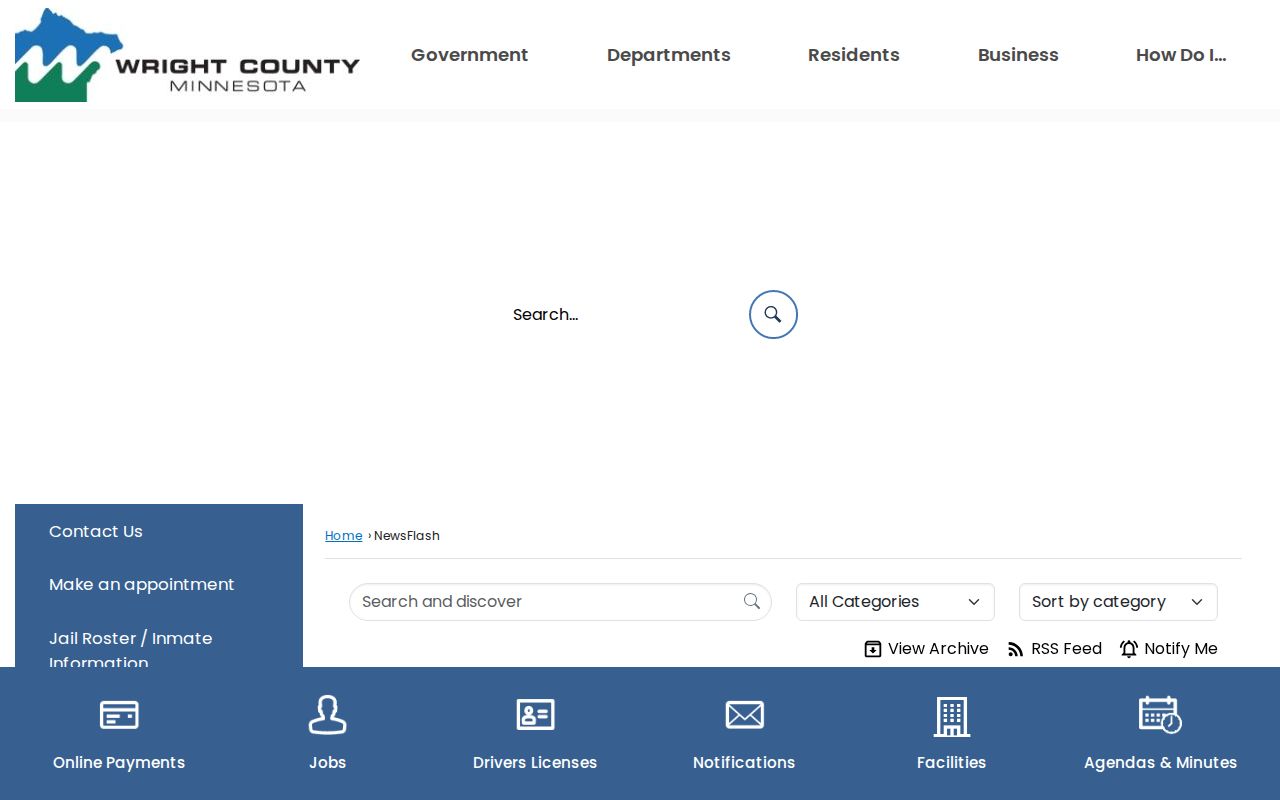
The sheriff's page shows where weekly booking reports are posted each week. Still, it is no substitute for the structured booking PDF itself.
Read Wright County Arrest Reports by Date
Open the PDF and read the date range printed inside it. Do not trust the Document Center address alone. That address stays the same while the file behind it changes. Move from the newest dates back toward older ones. Then match the full name and the listed source fields. A first name alone proves nothing.
- Open Weekly Booking Data and record the printed report period before searching.
- Locate the full name and compare the published date of birth only within the official document. Avoid repeating an address when it is not needed.
- Read Arrest Date and Booking Date as two distinct events, especially around transport, warrant arrests, and overnight intake.
- Keep Original Charges and Level in the county's own terms. Neither field states the court result.
- Check the current Census for custody now, or Minnesota Court Records Online for a filed case and later disposition.
Too fresh for the weekly compilation? Try the Arrested Today view, which covers the most recent business-day batch of arrests in Wright County. It answers a different question about time. Treat it as a current glance, not an archive. The weekly arrest reports remain the tool for looking back by period. Note: A PDF's Document Center number is not a date stamp, so keep the period printed in the document itself.
What a Wright County Arrest Entry Shows
The Weekly Booking Data header gives a fuller timeline than the Media Report does. What it lacks is any photo column. Its job is chronology plus the initial booking description. Current custody, release, the arresting agency, case numbers, and final outcomes all fall outside what this Wright County arrest file shows.
| Field | How to interpret it |
|---|---|
| Name | The spelling and suffix published for the booking event; verify with more than the name. |
| DOB | A matching field that needs care because it is sensitive and can be misread. |
| Address | The address carried by the source, not proof of the arrest site. |
| Booking Date | The date of jail intake, which can follow the underlying arrest. |
| Arrest Date | The law-enforcement event date, not necessarily the date the PDF was posted. |
| Original Charges | The initial charges supplied at booking, subject to later change. |
| Level | The report's own classification, not a finding of guilt or a sentence. |
A missing photo is not an error. Other Wright County jail outputs carry a photo field, but the weekly file is not a mugshot feed. Nothing here copies a booking image. No report should be turned into a gallery either. When an official photo truly matters, ask the proper agency for the specific existing record.
Arrest Date Versus Wright County Booking Date
The two date columns are the most useful part of the county's arrest reports. An arrest can land on one day and booking on another. Transport, medical clearance, agency processing, or intake work can all stretch that gap. A warrant works the same way. Tied to earlier court action, it can pull someone into jail well after the trigger event. So the dates explain sequence, not every reason behind it. When the exact path matters, get the incident report or booking sheet. One caution about addresses. The weekly file labels a field Address. A WCSO narrative may separately state a residence or arrest location. The two are not interchangeable. Labels answer different questions here. The Court Calendar can name the arresting agency. It covers adults in custody with court that day. Even so, it stays a court-day subset rather than a full police blotter for Wright County.
- Original charge
- The charge recorded when the person entered the booking system.
- Charge level
- The county report's classification for the original charge, not a conviction grade.
- Case filing
- The court record created if a prosecutor files a matter.
- Disposition
- The court's later resolution, which must be checked outside the booking log.
Note: The report documents jail intake history; it does not explain every delay or say where the person is held now. It is a booking trail, not a live status board.
Weekend Arrest Reports and Publication Gaps
Wright County updates its jail reports Monday through Friday, with holidays off. Bookings do not pause for the weekend. Arrests keep stacking up on Saturday and Sunday. So one report can carry several event dates bunched together once publication resumes. A holiday stretches the gap further. A missing report day reflects timing, not an empty jail. The sheriff's narrative weekly arrest report moves to its own beat. It usually appears after the covered week closes, often on Monday or Tuesday. That narrative can include arrest location, residence, warrant context, and notes on charging. Still, it looks backward and picks its format. For comparing the two date columns, the structured Weekly Booking Data works better. The newsflash adds sourced color. Save both the publication date and the covered period when you cite a report. Those details matter. A newer file can later replace the old one at the same address. A screenshot only shows one state of the source. It never proves the rows are still current.
Local Coverage of Wright County Arrests
Start with the sheriff's own channels. WCSO newsflash and CivicAlerts posts carry the office's weekly narratives. The communities named may include Otsego, St. Michael, or Buffalo. A narrative can also cover a Wright County warrant arrest made outside the county. One missing story proves nothing. A jail booking can happen without ever earning a news item. The Drummer and Wright County Journal-Press serves Buffalo and the wider county. It works as an editorial outlet. The paper has published arrest notices, not a verified live roster.
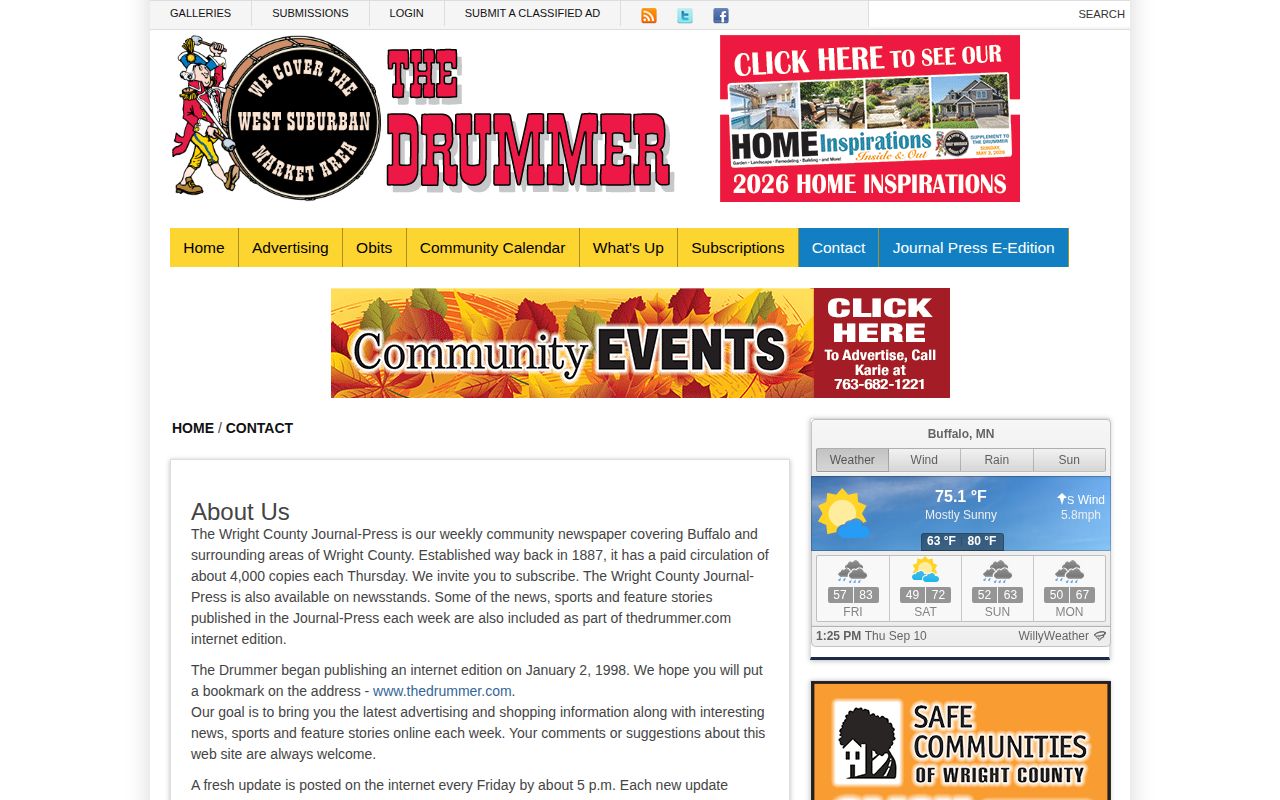
News stories add color. They still cannot replace the county PDF or the court record. Wright County Scanner is one unofficial source to know. Its posts can change, leave out facts, or describe an incident that never becomes a booking. Regional outlets cover notable cases too. Treat each item as a report of a single event, then check the originating agency and court file for anything that came later.
Older Wright County Booking Records
Live PDFs are working reports, not an archive. An older booking can roll off the Weekly Booking Data list while its record still exists. Its disappearance says nothing about dismissal, release, or expungement. For dates past the visible window, ask the custodian for the exact record type and date range. History lives elsewhere. The Minnesota State Archives government-records page links county retention schedules and the route for historical records.
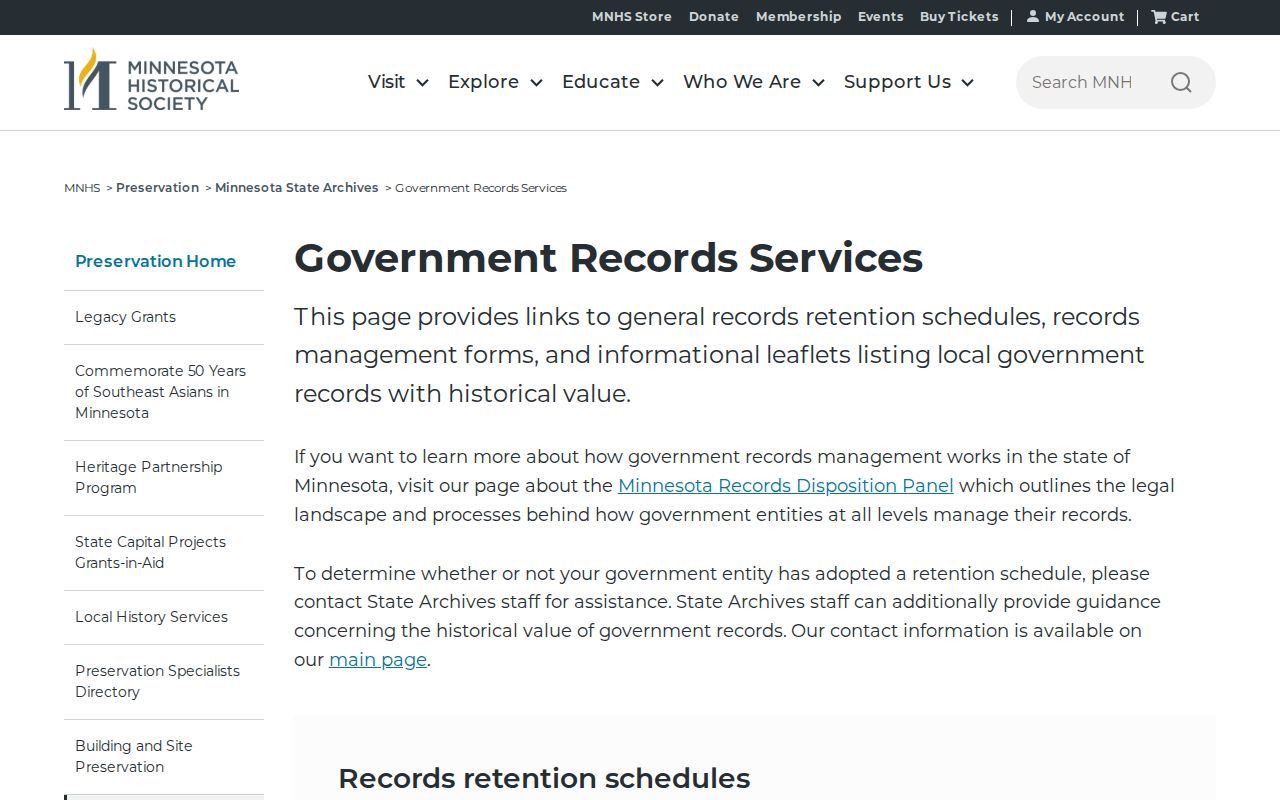
Schedules frame a records question. They cannot promise that every modern PDF or booking photo is kept forever. A deeper archive exists. Minnesota State Archives lists a Wright County Sheriff jail-register collection under identifier gr01570. That finding aid documents historical jail registers. It is not an online name search, and it does not promise photographs. Older material may need an appointment.
Before asking WCSO for records, name what you want. A jail register, booking sheet, Weekly Booking Data report, incident report, or photo each travels a different path. Use the county's public-data route or sheriffrecords@wrightcountymn.gov. Buffalo Police holds its own incident reports, Wright County District Court holds court files, and a wrong custodian yields a no-record answer that proves nothing.
Note: Retention rules vary by record type, so ask which adopted schedule governs the exact item.
Confirm a Wright County Arrest Outcome
Charges listed at booking are only the start. Prosecutors can amend or drop a charge later. Courts can dismiss cases too. Minnesota Court Records Online is the official place to check a case. Wright County District Court keeps the local court files, though sealed, juvenile, or not-yet-imaged material may stay out of public search.
Outcome questions end at the courthouse. Minnesota Court Records Online plus the district court hold those answers.
Current custody needs its own source. The Jail Census lists adults held at the Wright County Jail. Some rows are outside-county holds. Others involve Minnesota DOC work release or federal-related custody. A census row does not always mean a fresh Wright County arrest. The flip side holds too. A booking row can linger in the weekly report after a person leaves the jail. Each record has one job: Weekly Booking Data for the booking event, Census for who is in custody, court records for outcomes, and the arresting agency for the incident narrative.
Public Record Search
Sponsored Results